Electrification with Clean Energy
Wireless charging infrastructure with renewable energy generation using wind, solar, and hydrogen to support zero-emission tugboat operations at port.
Collaborative R&D for Clean Maritime Innovation
TugBeam brings together leading UK research institutions and technology innovators to accelerate maritime decarbonisation through next-generation tugboat systems.
Innovation Areas
Wireless charging infrastructure with renewable energy generation using wind, solar, and hydrogen to support zero-emission tugboat operations at port.
AI-powered systems integrating radar, GNSS, and advanced sensors for autonomous berthing, route planning, and emergency towing in dynamic port environments.
Real-time monitoring and predictive maintenance with cloud-native visualization for tugboat performance optimization and structural integrity assessment.
Laser-based NDT techniques for efficient inspection of tugboat hulls, propellers, and components with enhanced accuracy and reduced maintenance costs.
This collaborative research and development initiative aims to modernise tugboat operations by introducing electrification, automation and efficient maintenance, contributing to the UKs leadership in clean maritime technology.

Port operations face increasing pressures to reduce emissions and improve efficiency. Traditional tugboats are heavily dependent on fossil fuels, creating significant environmental impacts and operational costs.
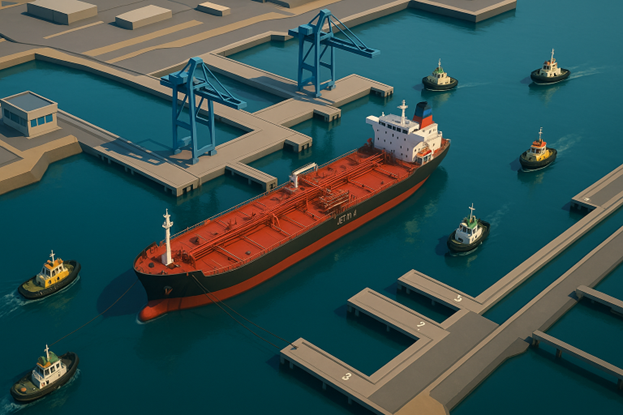
By examining the feasibility of wireless charging, autonomous navigation, digital twin systems, and advanced inspection techniques, TugBeam paves the way for future port innovations.
Explore automation technologies for route planning and vessel coordination, design digital twin systems for real-time monitoring, and validate advanced inspection techniques for efficient structural assessment.
Reducing greenhouse gas emissions in port operations, enhancing safety through autonomous systems, and extending vessel lifespan with predictive maintenance for sustainable maritime logistics.
Join us in developing next-generation tugboat technologies for sustainable and intelligent maritime logistics.


